

Chemical Labels
A chemical label has to survive the chemical. That sounds obvious until you watch a paper label go transparent where a drum was topped up, or a hazard pictogram fade off a jerrycan that spent a summer on a yard. Labels on solvents, cleaners, coatings, reagents and agricultural products spend their working life being splashed, wiped, scuffed against other containers and read by somebody who needs the warning to still be legible years after it was printed.
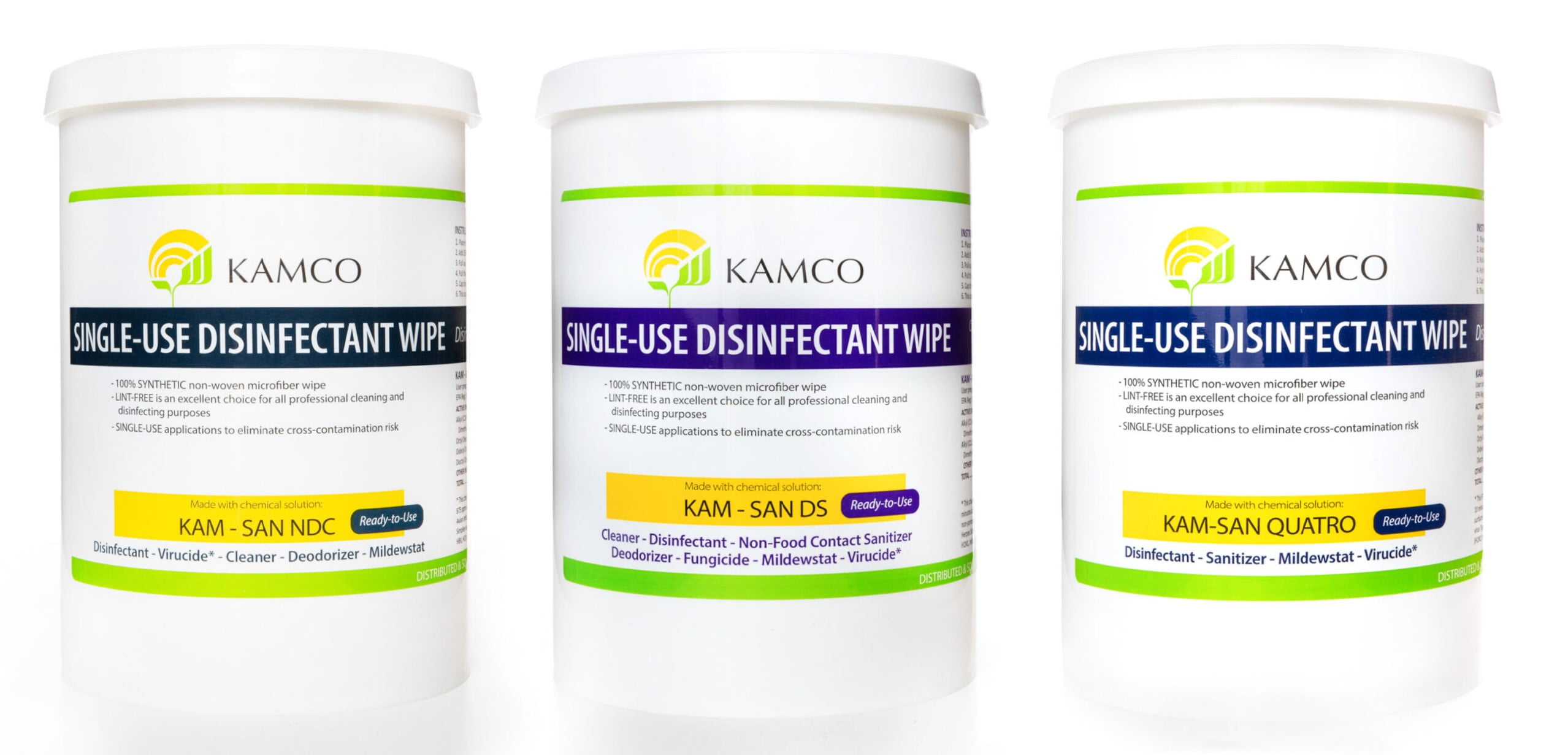
What the label is up against
Four things, usually at once. The product itself — a solvent splash at the fill point, or a slow wick of oil along the label edge. Cleaning — containers get wiped down with alcohol or a solvent rag before they ship, and a label that gives up its ink to that rag is worse than no label. Abrasion — drums are rolled, jerrycans are stacked and dragged, and the print is what wears first. Weather — outdoor storage means UV, freeze-thaw and condensation, and condensate is what gets under an edge and starts a lift.
Facestock, adhesive, topcoat
Paper is out for anything that gets wet or wiped. Chemical containers want a synthetic facestock — polyester, vinyl or polypropylene — with a printable topcoat chosen to hold the ink against the solvent it will meet, and usually an overlaminate for abrasion. The adhesive matters just as much: HDPE drums and jerrycans are low-surface-energy plastics, often still carrying mould-release residue, and powder-coated steel and slightly oily metal reject most general-purpose adhesives outright. Of the four adhesives we keep in stock, two are solvent-based — one built specifically for varnished, oily or otherwise hostile surfaces — and one is a rubber-hybridized acrylic that grips rough and powder-coated drums. That is the family we quote from for chemical work.
Legibility of the hazard information
Hazard communication only works if it can be read. In practice that means printing the pictogram diamonds in a solid, correctly registered red so the border does not break up at a distance; keeping signal words and precautionary statements at a size that survives a scuffed surface; leaving the pictograms and the product identifier clear of seams, handles and the curve of a small bottle; and choosing a print process whose ink stays put — pigment and cured inks, not something that lifts on the first wipe. If your label carries a barcode as well, keep it on a flat panel with its quiet zones intact.
Tell us the standard you have to meet
Chemical labelling is governed territory: GHS as it is implemented by OSHA HazCom in the United States, plus the marine requirements that apply to drums and IBCs travelling by sea, where buyers commonly ask for a BS 5609 material. We do not certify our own labels to those standards, and you should be wary of any printer who says otherwise on a web page. What we do is straightforward — tell us which standard, regulator or customer specification you have to answer to, and we will quote a material and print process suited to it, source the certification documentation from the material supplier where one exists, and say so plainly if your job needs a specialist we are not.
What to send with your enquiry
The product and its main solvents, the container material and size, whether it is filled hot or cold, indoor or outdoor storage, whether it ships by sea, the label size and how many, and any test the label must pass — a solvent rub, a water soak, a set exposure time. That is enough for us to recommend a construction and get samples in your hands.
Popular label formats
Rolls, sheets and die-cut shapes — paper, coated paper, waterproof poly and more.


Need custom chemical labels?
Tell us your product, size and quantity — we'll recommend the right material and send free samples.