

Jar Labels
A jar looks like the easiest thing in the world to label, and mostly it is. The complications are all at the edges: the shoulder where the glass starts to curve, the lid nobody plans for until the front panel runs out of room, and whether the jar is glass or plastic, which changes the answer more than people expect.
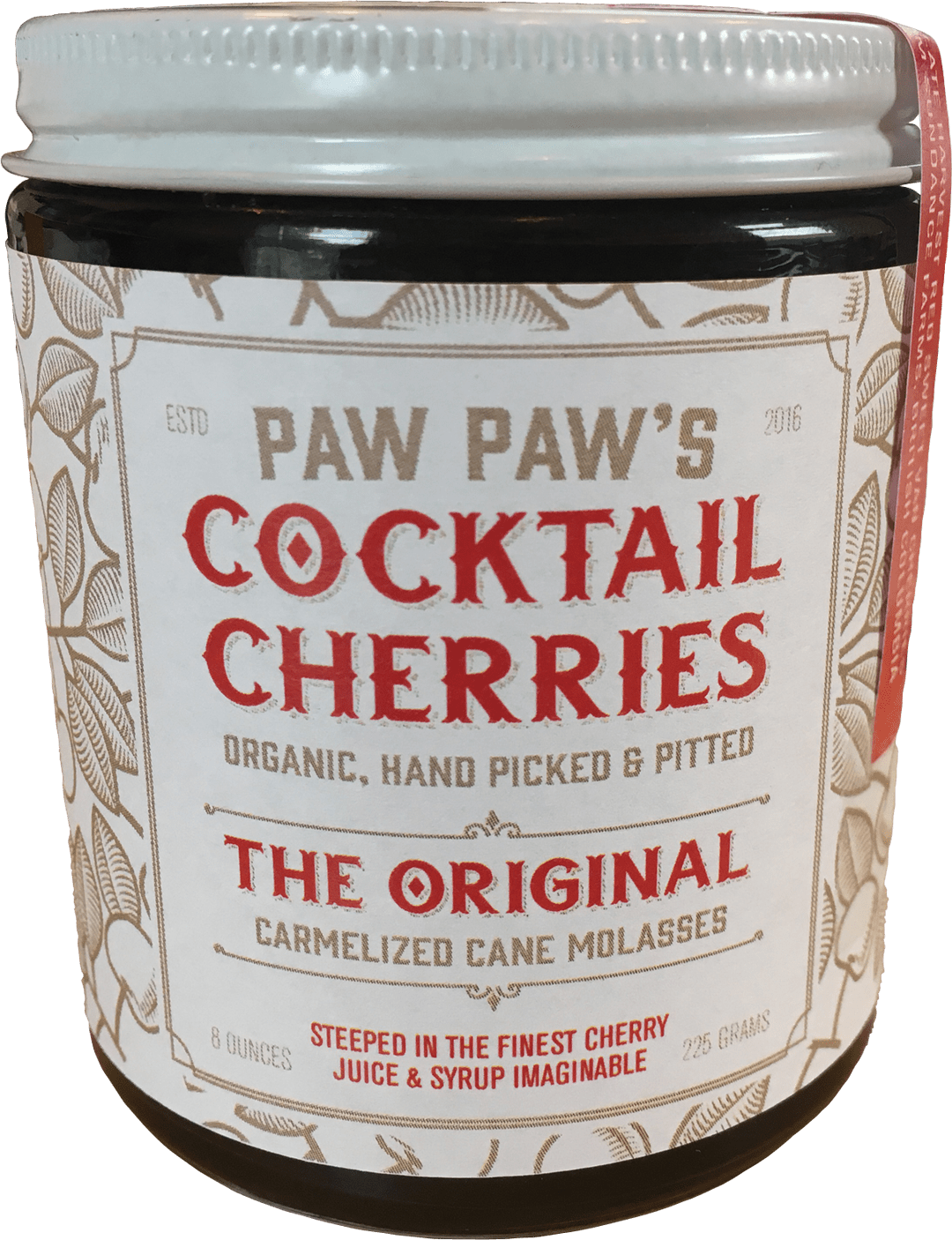
Jar labels for glass and plastic jars
Glass is rigid, smooth and chemically inert. It is the friendliest surface we label, it takes a clear label beautifully, and the only real constraint is the shoulder: run a rigid label too far up the curve and it will flag at the top corners.
Plastic jars move. Some are made to be squeezed, and the ones that are not still get squeezed by customers going after the last of the product. A label that does not flex with the jar creases and lifts, so plastic jars want conformable stock rather than the same film you would put on glass. PET and PP are also lower energy surfaces than glass, so the adhesive has to be chosen for them rather than assumed.
Wet jars, cold jars and lid labels
Most jarred product spends time in a fridge, which means condensation every time it comes out, and jars get handled with wet or greasy hands more than almost any other pack. That rules paper out for anything beyond a dry pantry product and puts the print under a laminate.
The lid is the underused surface here. A lid label is read from above, which is exactly how jars are stacked on a shelf and stored at home, and it stays clear of drips running down the side. Putting the brand and the variety on the lid and the ingredient statement on the body solves a lot of small-jar layout problems in one move.
Home canning and small batch
Half the jar labels we print never see a supermarket. Preserves, pickles, chutneys, jams made in a farm kitchen and sold at a market, where the batch is forty jars and the recipe changes with whatever is in season. There are no minimums, so forty is a normal order. Blank sheet labels through your own printer handle the dates and batch names, and a custom printed run covers the products you make every year.
What goes on your jar
Send us the jar, or its height, diameter and where the shoulder starts, and the copy you need on it. We will set it legibly at the size the jar allows and place the barcode where it will actually scan on a curve. How to measure a label covers the measuring if you want to do it first. What your product is required to declare is a question for your regulatory adviser rather than for us.
Learn more
Popular label formats
Rolls, sheets and die-cut shapes — paper, coated paper, waterproof poly and more.


Need custom jar labels?
Tell us your product, size and quantity — we'll recommend the right material and send free samples.